
Interlock removal: how to get your device taken out
You can't arrange an interlock removal on your own. First, the state must give its approval. Then the company that installed the device takes it out at a service center it runs. Every state has its own rules for clearing you, so the details depend on where you live. Everywhere, though, the same rule applies: until the state clears you, your car keeps the device.
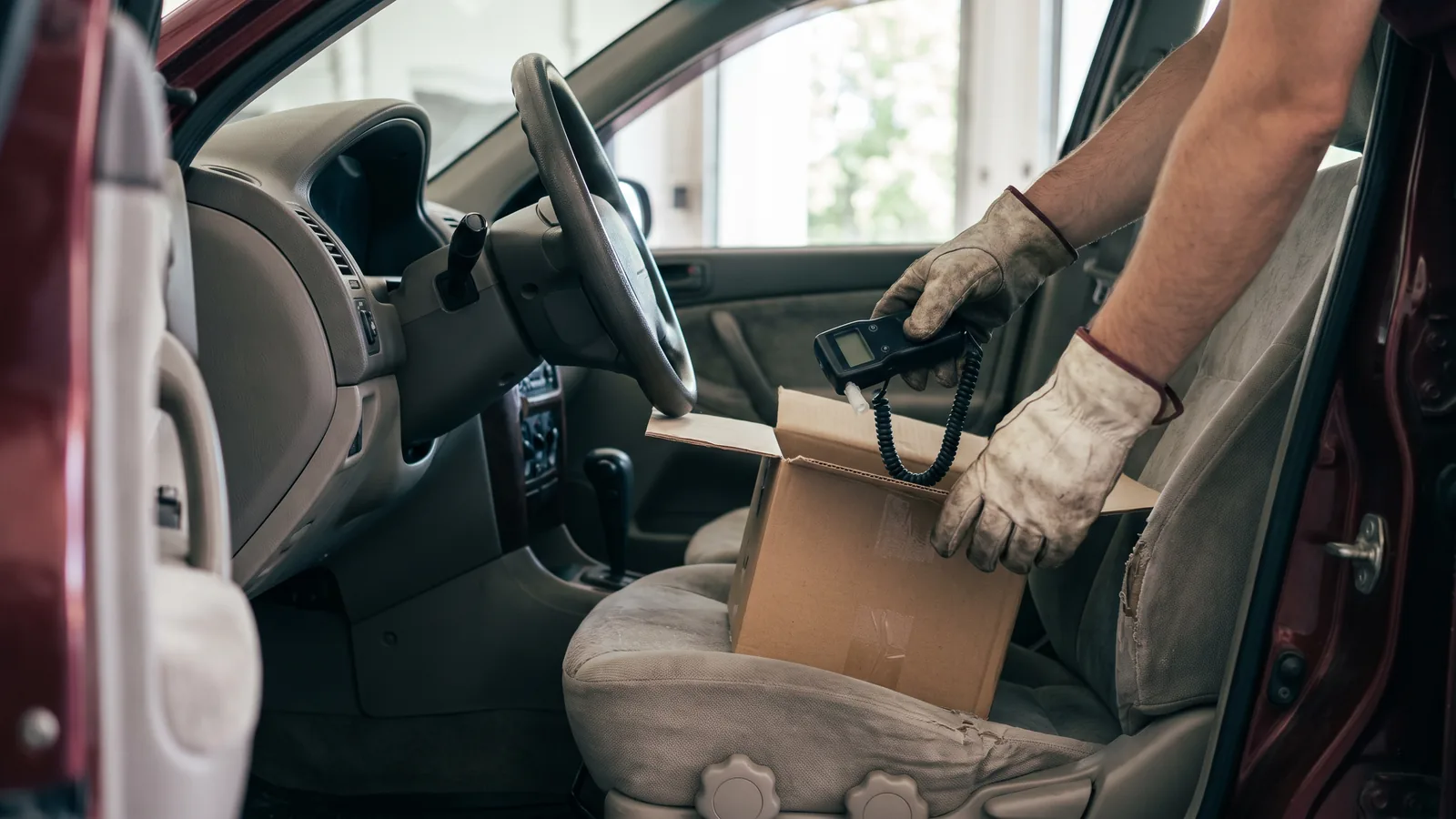
What's the process for removing your interlock?
No matter where you live, the steps happen in about the same order, even when the forms have different names.
- Serve your full required time without new violations. A problem near the end can hold everything up.
- Let the state confirm you're finished first. In Kansas, the Department of Revenue must first issue an order that lifts the restriction, and only then can you book an appointment. Your final device data download can take up to 10 days, so leave room for that wait. (Kansas Highway Patrol)
- Pass that confirmation on to your provider, if your state requires it. In Tennessee, you get a license that carries no interlock restriction. Hand the manufacturer a copy, and they'll set up the removal for you. (Tennessee Department of Safety)
- For the removal appointment, head to a service center. Because the device connects to the starter, and on some cars to the horn and wipers too, a trained technician does the job rather than a regular mechanic. (Intoxalock)
State-by-state removal rules
Some states handle that last step for you. New York works this way: once your period ends, the company watching your device tells the DMV electronically, so nothing needs to go in the mail. (New York DMV)
Pennsylvania, in contrast, goes by mail. PennDOT mails you form DL-3731 about 30 days before your Ignition Interlock License expires. You use it to apply for a license without restrictions. (PennDOT)
In Washington, your provider sends a certificate of compliance over to the Department of Licensing at your request. Washington holds the certificate back if, over the past 4 months (or 180 days), the device logged a start attempt at .04 or above, a skipped retest or a missed service visit. (Washington DOL)
Every removal report in Arizona gets filed electronically. The state will suspend your driving privileges at once if the device is taken out and not put back within 72 hours. So hold off on removal until the state gives you its go-ahead. (Arizona DOT)
Removing the device early
Colorado has one possible early route, and only drivers whose interlock requirement began at eight months can use it. (Colorado DOR) If the offense was your first, your blood alcohol concentration came in below 0.150, and you've had four months of successful driving, the DMV will send you a letter saying that you qualify. (Colorado DOR)
Pull the device early in several other states and you'll extend things, not shorten them. Take the device out early in Tennessee and two things can happen: your full 365-day requirement restarts, or your program gains another 120 days. (Tennessee Department of Safety) In Washington, early removal brings a suspended license, and you may have to begin compliance all over again. (Washington DOL) Arizona sees any unapproved removal as grounds for restarting your original interlock time. (Arizona DOT)
Removing the device on your own
Detaching the unit at home counts as tampering. According to Intoxalock, removing the device yourself sends the provider an alert about tampering. (Intoxalock) Because the device wires into the car's starter, a trained service center handles the removal.
Removal fees
Every provider will charge you for the removal and for closing the account, so a final bill waits at your last visit. (Intoxalock) The published prices offer a ballpark.
| Provider | Cost to remove |
|---|---|
 Low Cost Interlock (pricing) | $129.50, charged once |
 RoadGuard Interlock, quoting dui.drivinglaws.org (help page) | $50–$150, charged once |
The precise amount your company charges appears in your own contract, so look it over ahead of your appointment. Then nothing at the last visit will catch you off guard.