
Interlock device violation: what counts and what happens
An interlock device violation is anything your interlock records as breaking your program's rules. That might be a breath sample over the limit, a test you skip, or a service visit you miss. Each state runs things a bit differently, so the examples below come straight from particular state programs and device companies.
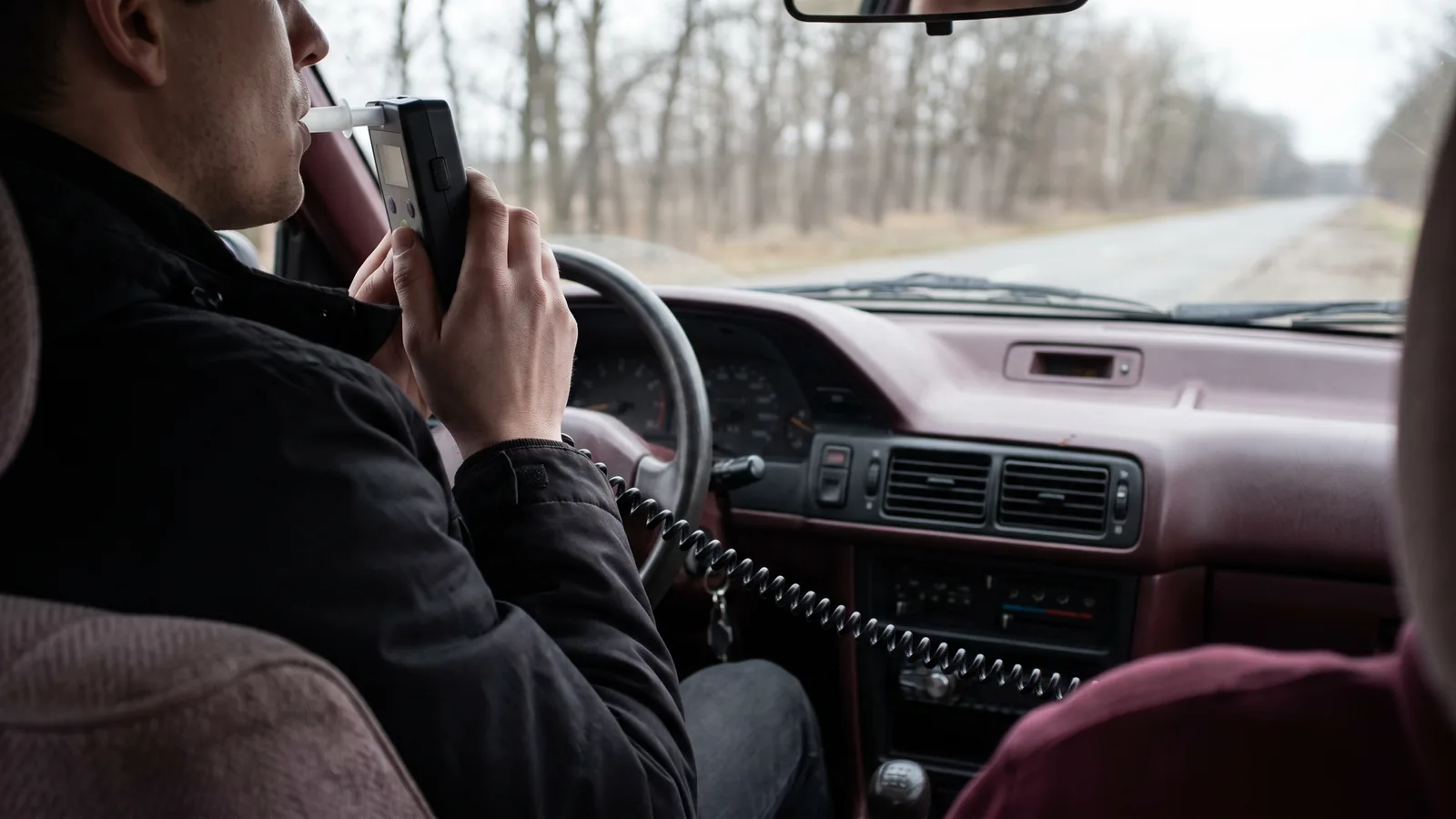
What counts as a violation
Tennessee spells this out in detail. The device reads your BrAC, meaning how much alcohol is on your breath. Per Tennessee, trying to start the vehicle with a sample over .020% BrAC is a violation.
A random retest happens when the device asks you to blow again while you're already on the road. In Tennessee, it's a violation to fail one above .020% or not take one at all. It also counts against you if you switch off the vehicle without a passing test.
Tennessee counts missing the required service visit every 30 days as a violation. Circumvention is any attempt to beat the device, like getting another person to blow for you. Tennessee treats both circumvention and tampering as violations.
If you fail a test
Say you fail but you haven't been drinking. Tennessee's program asks for a passing retest inside of 10 minutes. Do that, and the first result gets thrown out as invalid.
Intoxalock advises rinsing your mouth with water and waiting at least 15 minutes before retesting. The two waits differ because each comes from a different program or device; the screen on your own device tells you when to blow again.
And if a random retest comes up and you miss it? Intoxalock says the car will keep running; the device doesn't cut the engine right then. But once the car is off, it can lock you out later.
Types of lockouts
A lockout is when the device refuses to let you start the car for some stretch of time. Companies describe several types, ranging from a brief wait all the way to a service center trip:
- Temporary lockout: Intoxalock describes this one as a short timer, usually a few minutes long, that starts after a violation. Once it runs out, you can test again.
- Service lockout: This one is more serious, according to Intoxalock. You'll need to do something about it, such as a reset through the app if your state permits that, phoning support, or going in for service. Smart Start says service lockouts occur when the device misses its calibration deadline.
- Violation lockout: Smart Start says this starts after you collect too many violation points.
- Permanent lockout: ALCOLOCK says there's no retesting at all at this stage. The car might have to be towed to a service center.
Foods and products to avoid with an interlock device
Some foods leave a trace of alcohol in your mouth. Intoxalock names bread, pastries and ripe fruit as common ones that can set off a reading.
Plenty of mouthwashes and breath sprays have alcohol in them, and Intoxalock warns they can produce a positive result. Hand sanitizer, perfume and cologne fumes can carry alcohol too.
Who finds out about a violation?
The manufacturer of the device makes the call in Tennessee on whether something counts, and sends a report to the state program each month. You don't need to report anything yourself for the state to find out.
Ohio's law requires the manufacturer to alert the court as well as the registrar of motor vehicles about any interlock violation.
What happens next in each state?
What a violation costs you depends on where you live. Four state sources put it this way:
| State | What sets it off | What may follow |
|---|---|---|
| Tennessee | A breath sample that's too high, or a skipped test during your last 120 days | Your period may grow by another 120 days |
| Ohio | Any violation at all | The court can double both your suspension and your interlock time |
| Colorado | A reading of 0.025 or more that stops or interrupts driving, in 3 different months within any 12-month stretch | The state motor vehicle agency may take further action |
| Washington | A random retest failed or skipped, or missed service visits | Your certificate of compliance clock resets |
In Washington, the certificate of compliance is the paperwork showing you've met the program's rules, so a reset means starting that count over.
Sources: Tennessee, Ohio, Colorado, Washington.