
Ignition interlock in New York
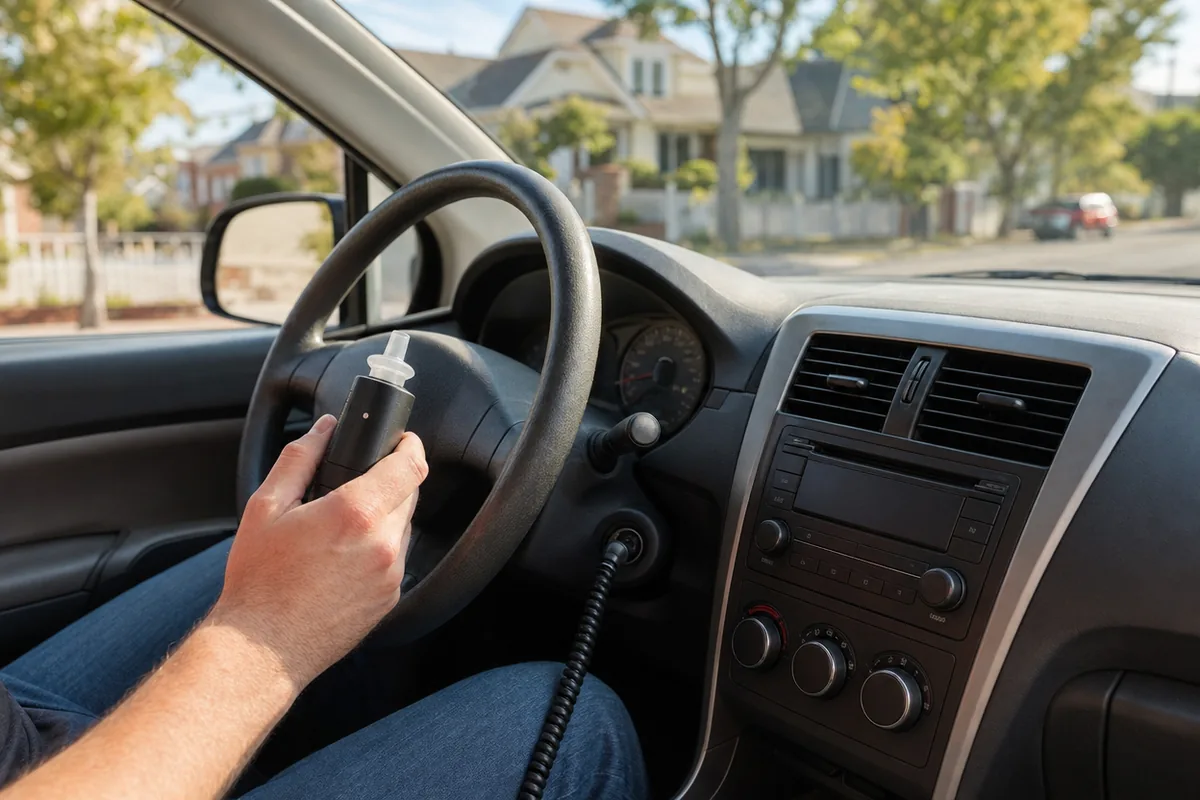
After you are sentenced, you have 10 days to have an ignition interlock put in your car in New York, so arranging the installation should come first. The 10-day window is short, and missing it can put your probation at risk, so one call gets your install request to a New York-area installer.
- Any DWI conviction
- At least 12 months
3 interlock companies in New York
| Company | From, a month | Installation | 12 months, install included | Trustpilot |
|---|---|---|---|---|
 LifeSafer | From $50 | $70 to $150 | From $670 | 4.6 of 5 |
 Smart Start | From $59.99 | From $150 | From $869.88 | 4.6 of 5 |
 Intoxalock | $95 to $125New York price | Set by each service center | $1,210 to $1,650install at MADD's typical range | 4.4 of 5 |
Rows marked "New York price" use a price posted for New York; the others show each company's national starting price. The 12-month column adds a year of that price, the install price and any set-up fee, or MADD's typical $70 to $150 where no install price is posted.
The New York price for Intoxalock comes from its New York pricing page. MADD's national range: $70 to $150 to install, then $60 to $80 a month, or $790 to $1,110 for a year.
New York ignition interlock law
| Offense | Interlock rule |
|---|---|
| Any DWI conviction | At least 12 months |
| An aggravated DWI (BAC 0.18 or higher) or a child passenger | Probation with an interlock |
| Time to install | 10 days after sentencing |
Where these rules come from: New York Courts.
Who is in charge of the program and who keeps an eye on you?
The program belongs to the state, and the NYS Division of Criminal Justice Services runs it. That agency approves which device manufacturers can work in the state. Your day-to-day supervision comes from a local monitor. In most cases that is your probation department, the STOP-DWI program in your county, or the office of your district attorney.
Leandra's Law covers people whose DWI sentence came on or after August 15, 2010. Every car you own or drive has to have a device. The rule covers misdemeanor and felony DWI convictions alike, and a repeat offense is usually a felony.
If your blood alcohol level (BAC) was .18 or higher, or if you had a child in the car with you, the court has to sentence you to probation or a conditional discharge that includes an interlock.
Getting the 10-day install done
The clock starts on the day you are sentenced. Sentenced to prison instead? Then it starts the day you get out. Ten days goes fast, so call today. We send your install request to a New York-area installer, and they set up your appointment.
If you cannot show the device is in place and you have no good excuse, the court is allowed to revoke, modify or terminate your probation or conditional discharge. Getting behind the wheel without the court-ordered device is a Class A misdemeanor that can cost you up to 1 year in jail. The same charge applies if you help someone else do it.
Getting back on the road with a conditional license
Even while your license is revoked, the interlock restriction goes onto your driver record, and it shows on the back of your license. Because the restriction stays on your record, a conditional license is how you drive legally with the device.
After the minimum revocation period, the DMV commissioner may grant a conditional license that lets you drive an interlock-equipped vehicle for limited purposes.
Paying for the interlock
Unless a judge decides you cannot pay, the device is your expense. If the court finds you cannot afford it, it can arrange a payment plan or drop the cost.
The courts estimate you'll pay the installer about $200 to put the device in and take it out, plus around $100 a month. Intoxalock's New York rate is $95 to $125 a month. Keep in mind that quote comes from one company, not from the state.
Asking the court to waive the cost
Want to ask for help? Submit a Financial Disclosure Form to the court that handled your case. The judge will then decide whether to drop what you owe for putting the device in, for the monthly service, or for both.
Do the devices have cameras?
Some interlock units come with a camera built in, the New York courts note, but that page does not make a camera a requirement.
Getting the device removed
Once your required time is done, your interlock monitor notifies the DMV electronically. The DMV no longer takes letters or faxes for this. Once that is done, you can apply for a new license that does not carry the interlock restriction.
Changes to the law
Nothing has been signed into law yet. Bill S2517A would require proof that interlocks ordered by a court are put in and used on a regular basis. The Senate passed it on May 13, 2026, but it is still sitting in Assembly committee, which means the current rules still stand.